
Free on-site gate assessment - hinges, posts, and your LiftMaster or Nice gate operator checked before anything is quoted
The assessment is free and the quote is the invoice.
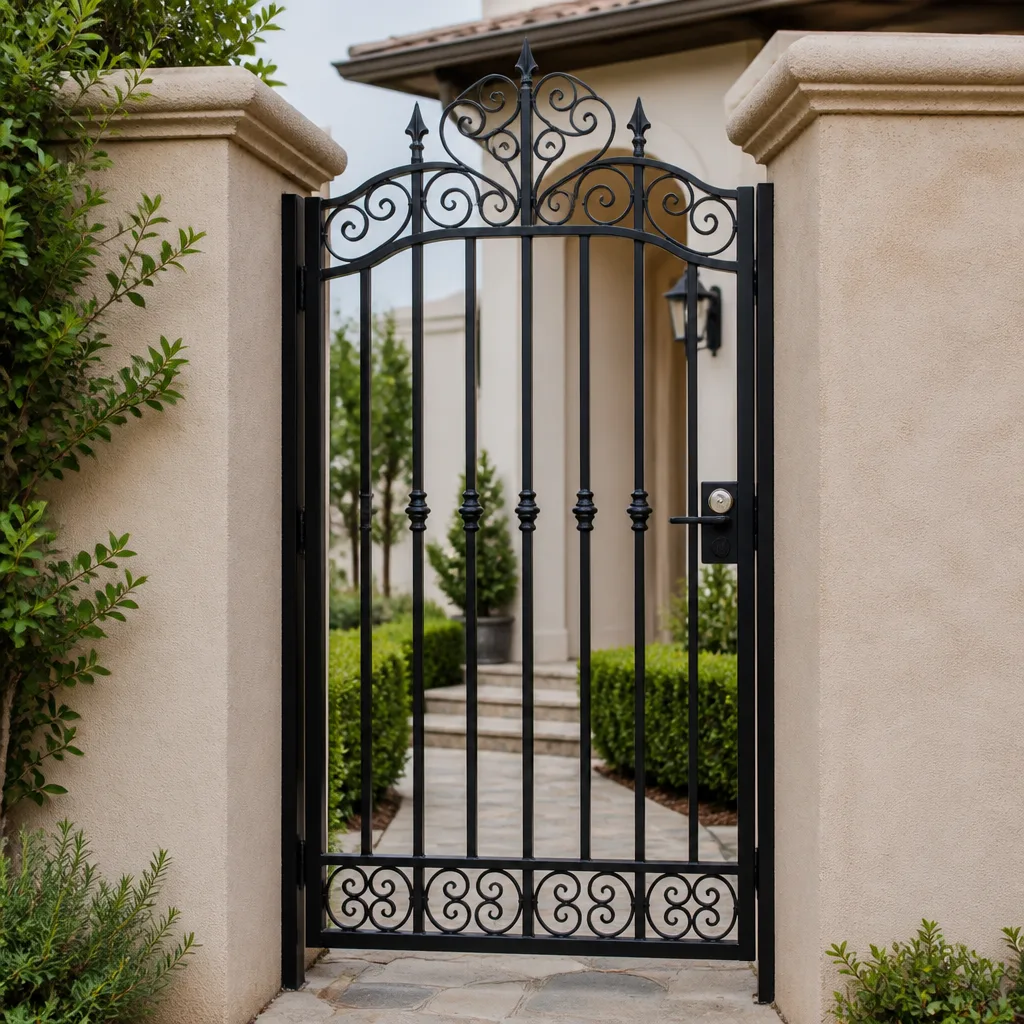
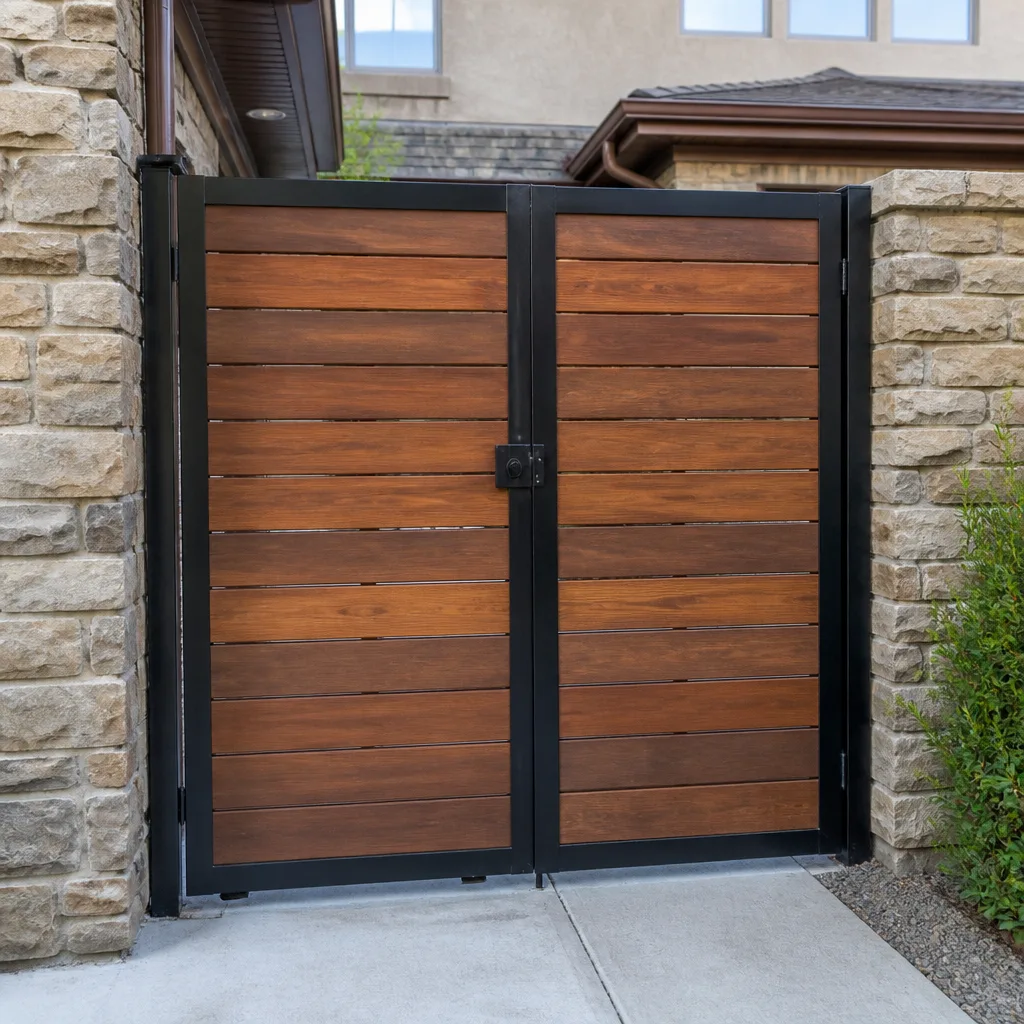
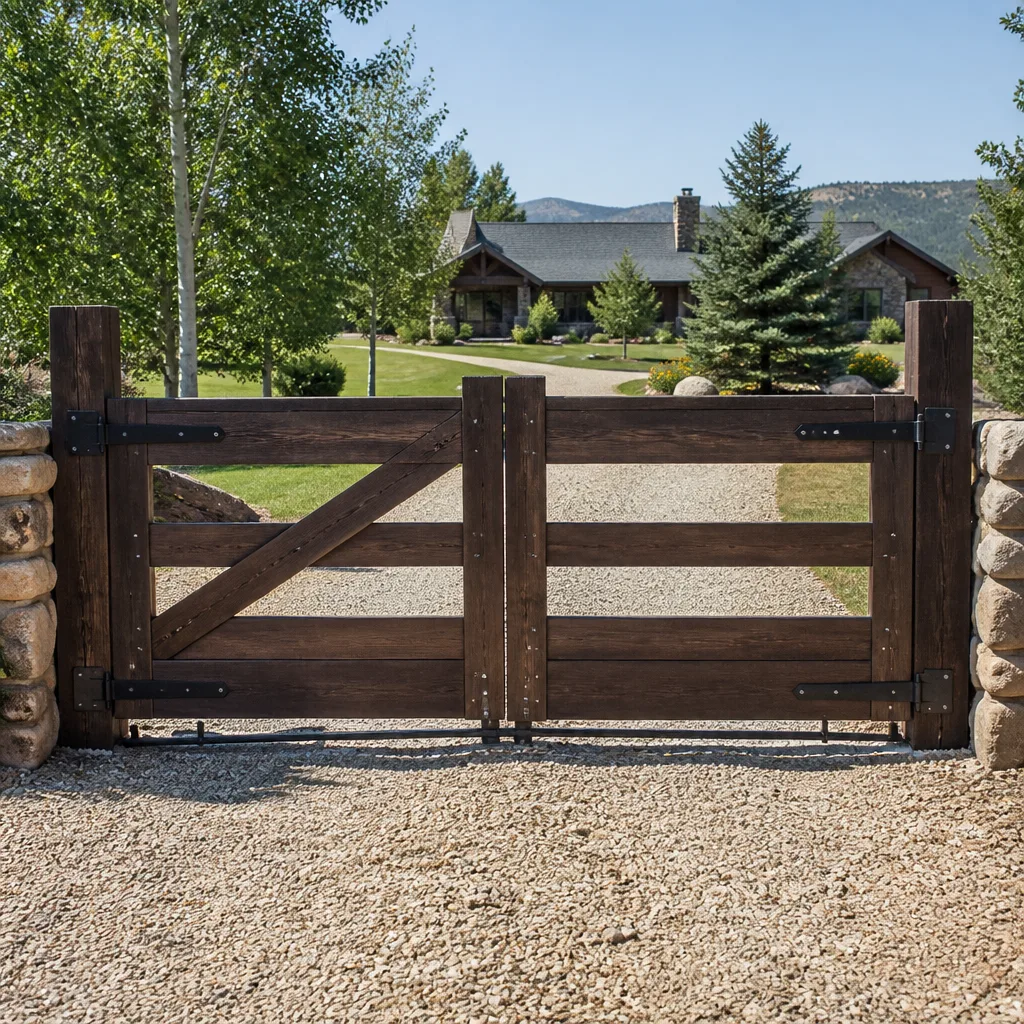
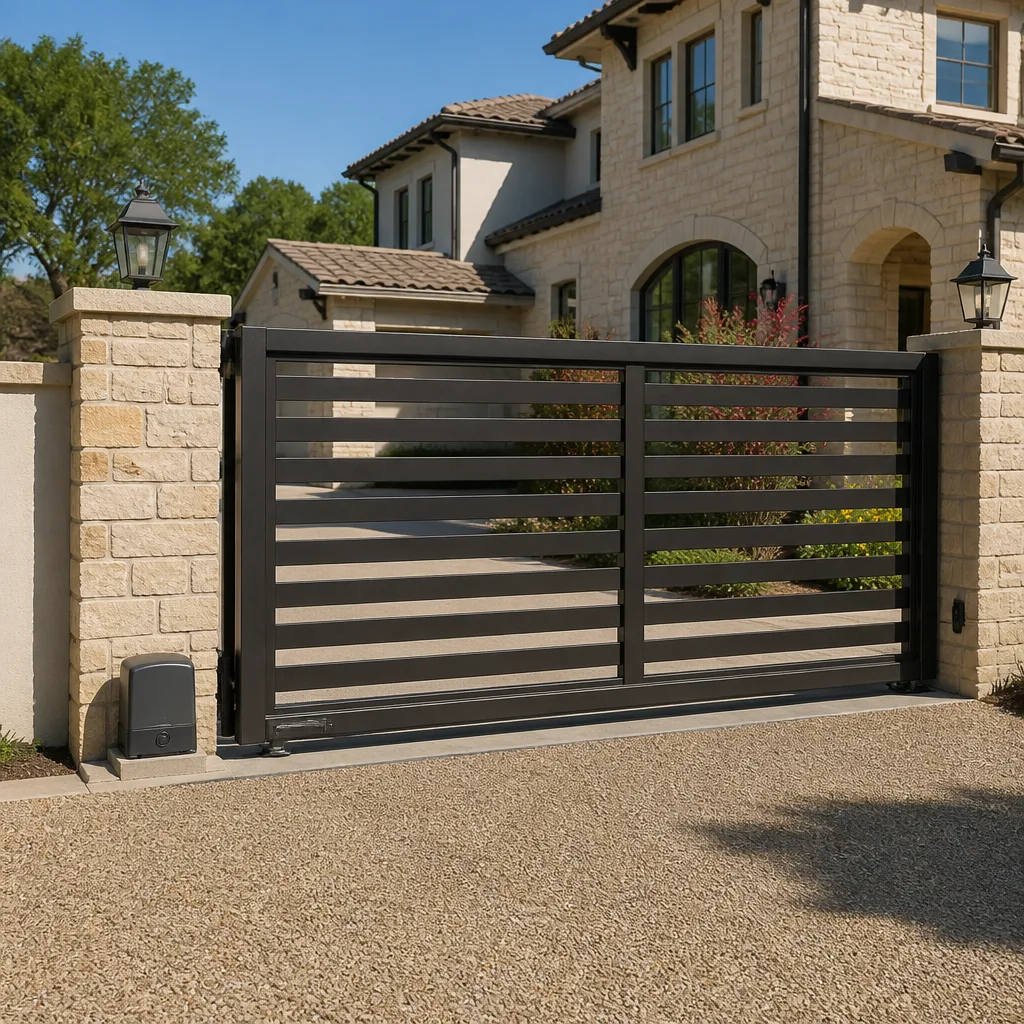
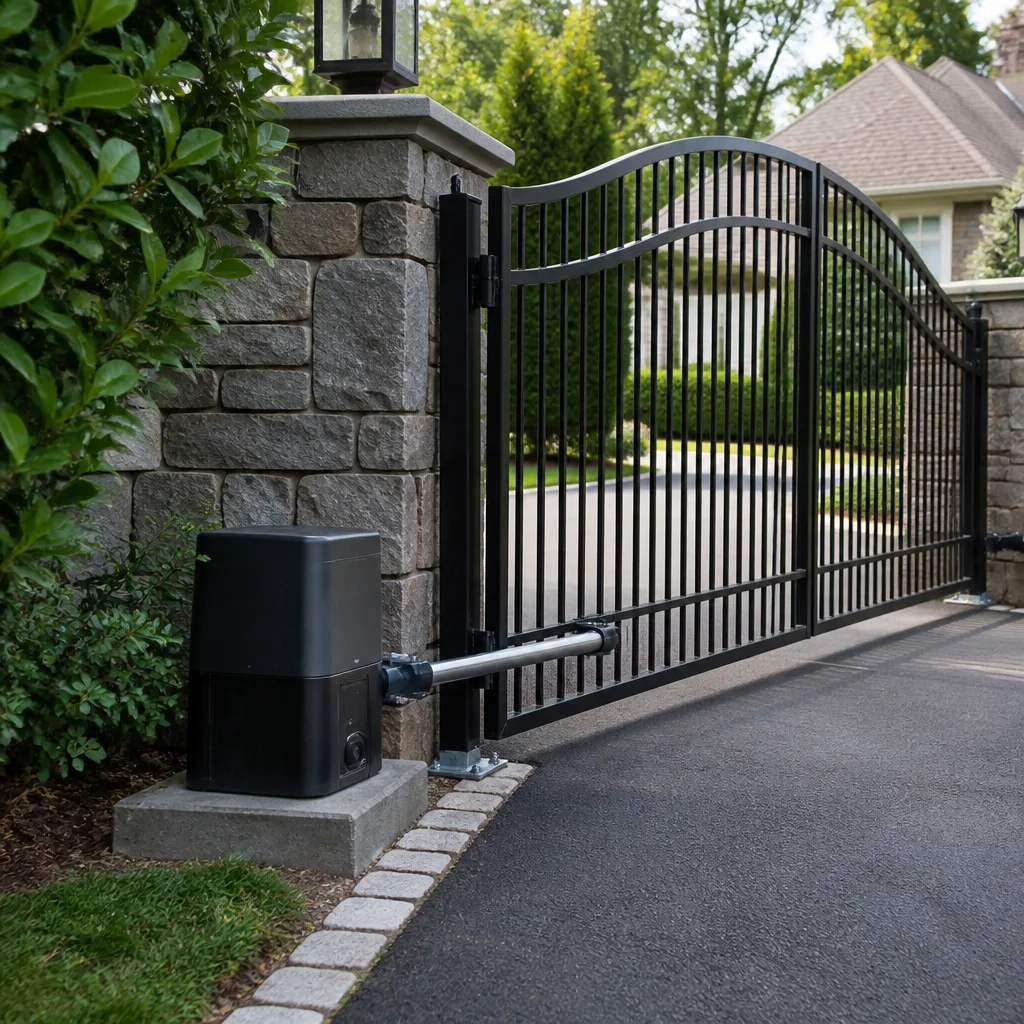
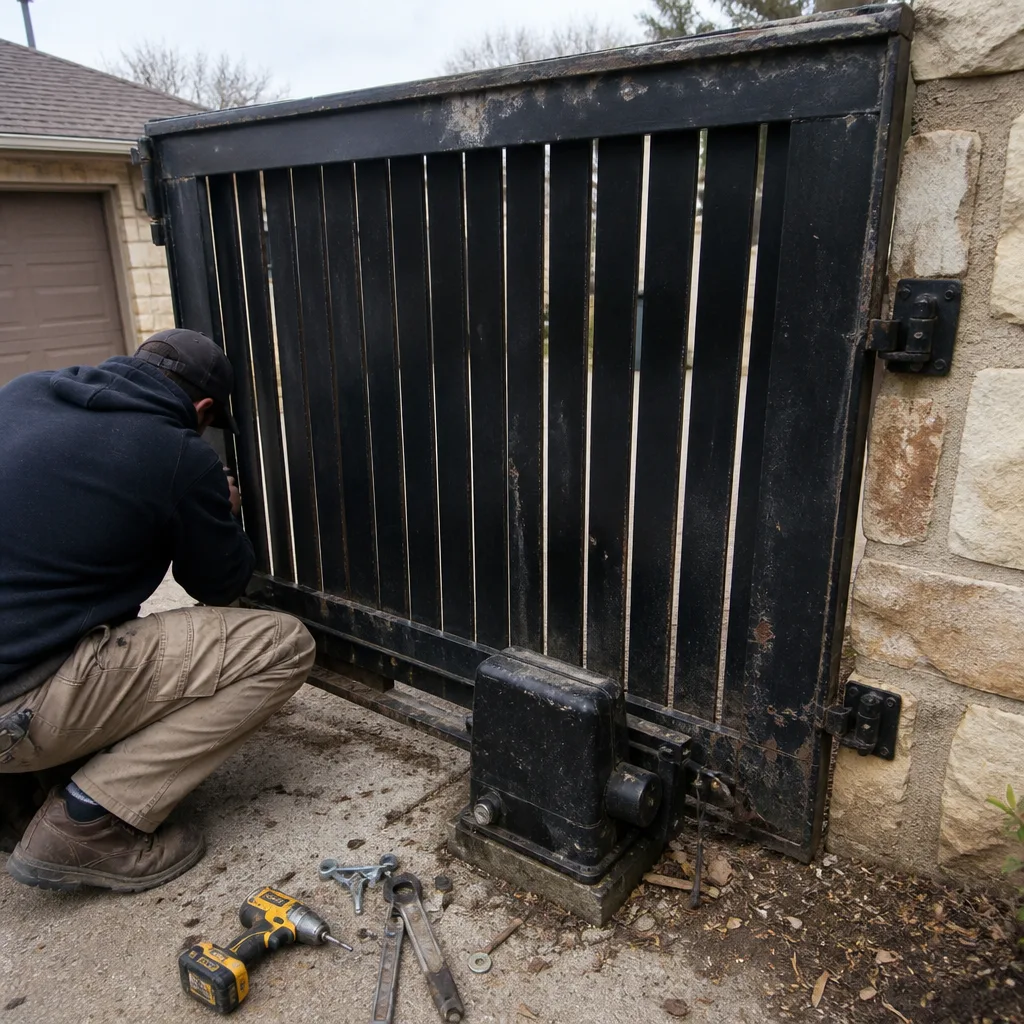 Before
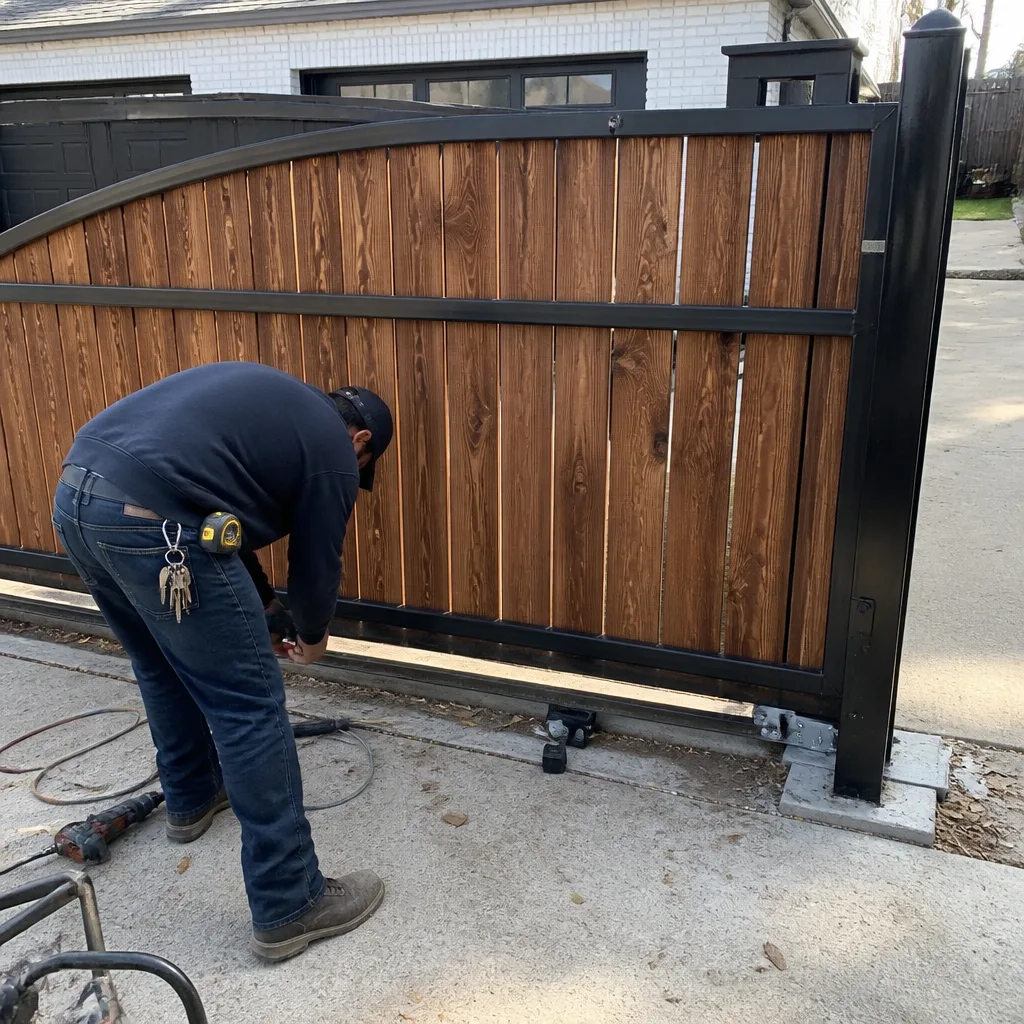 After
After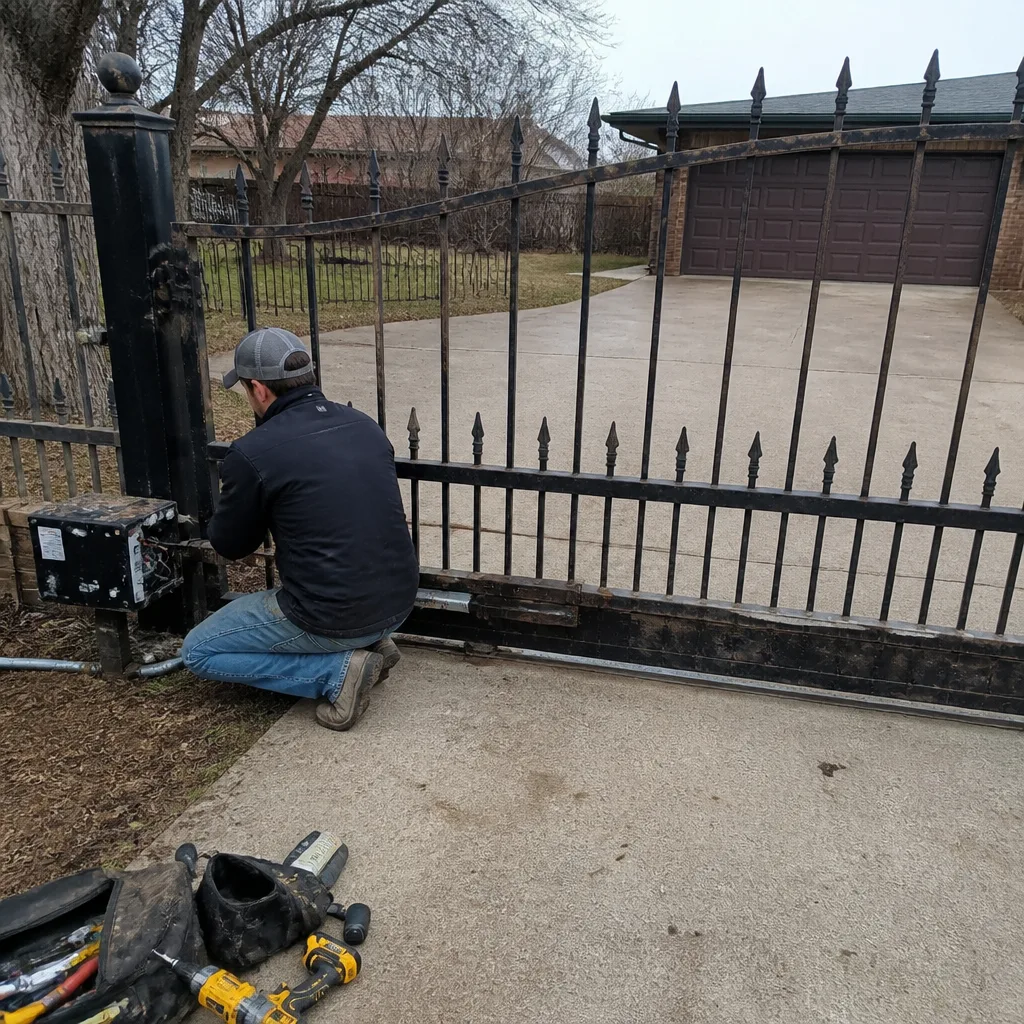 Before
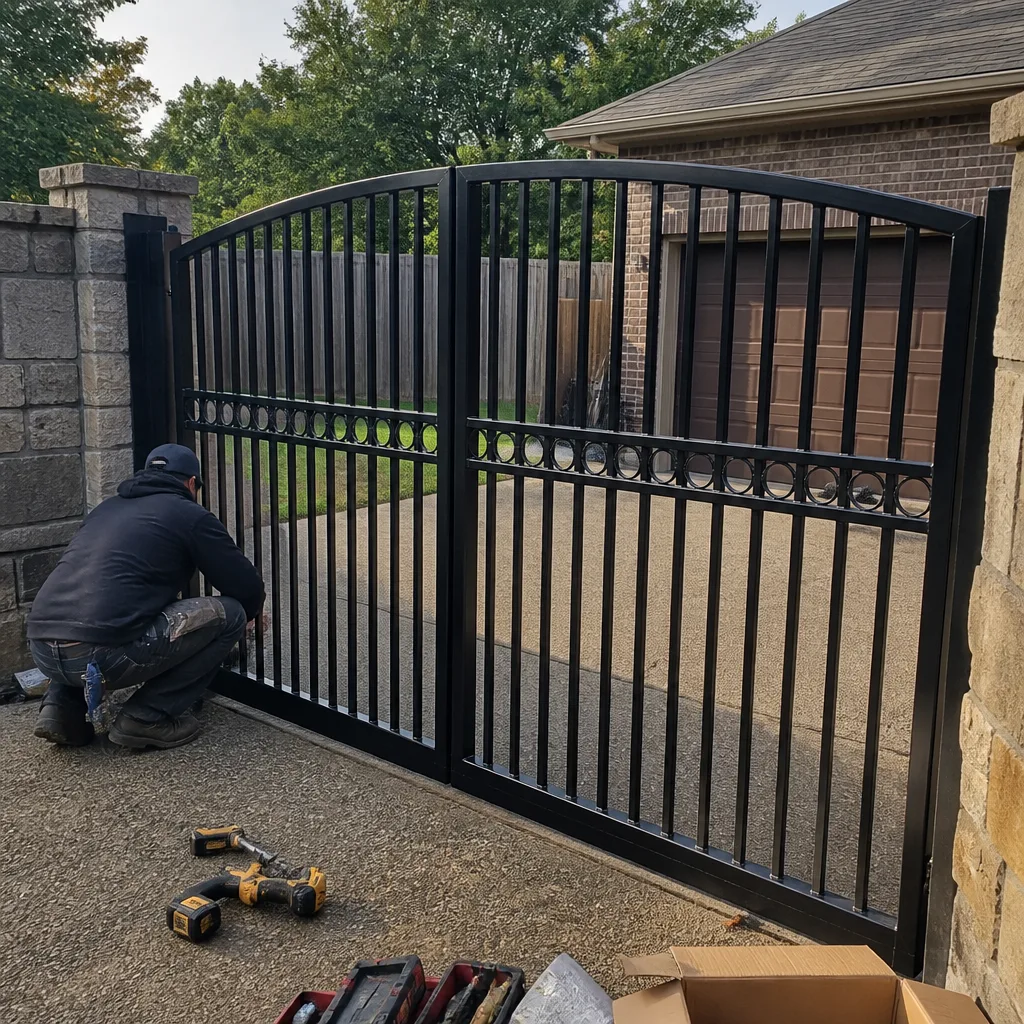 After
After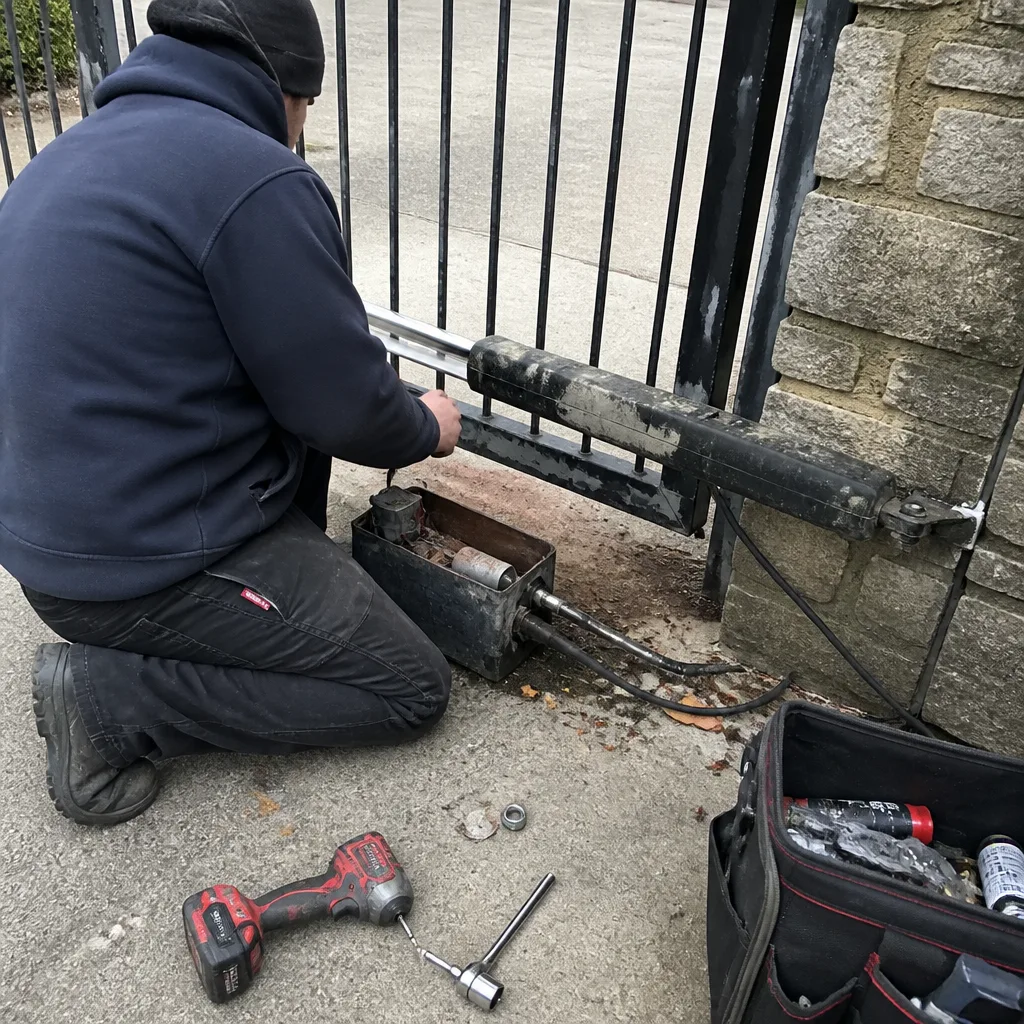 Before
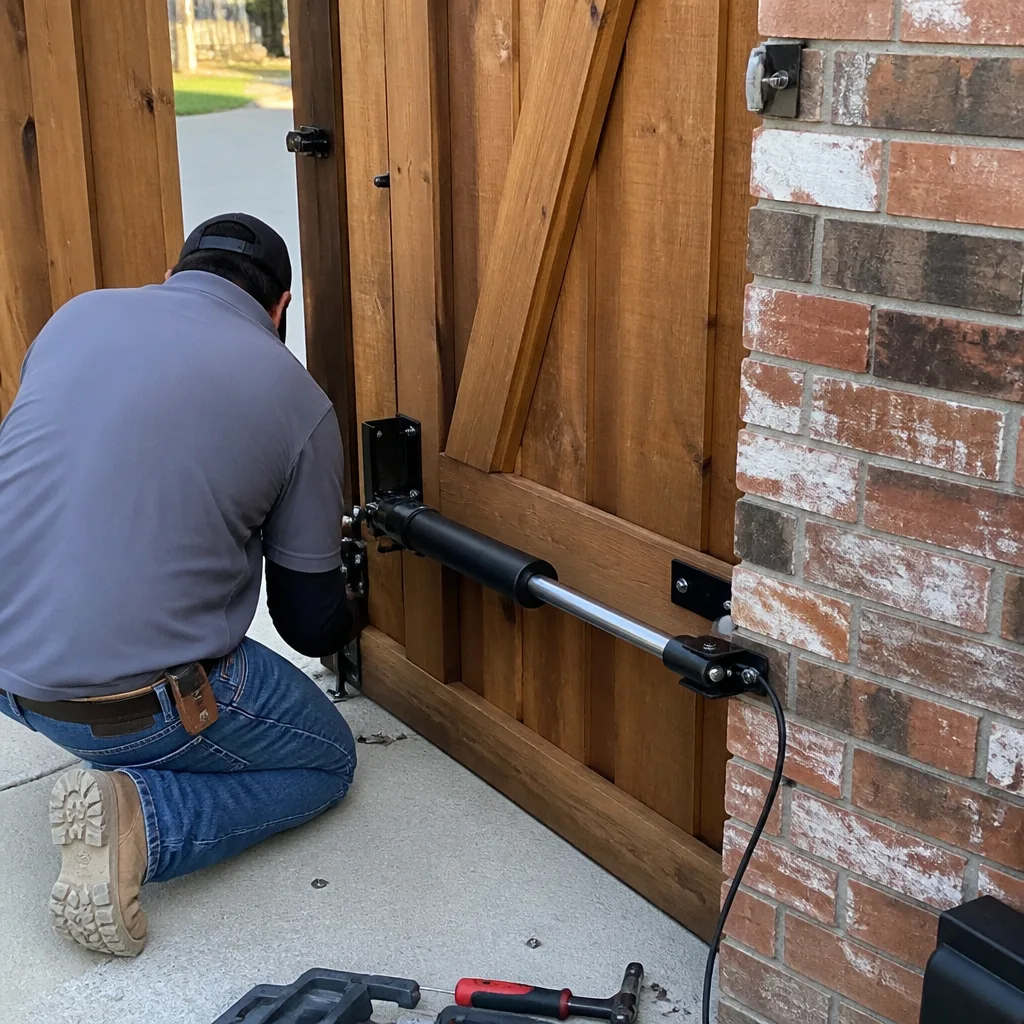 After
AfterFAAC Gate Parts & Welding in North Richland Hills: What to Know First
FAAC gate parts and welding in North Richland Hills is work we do almost every week, usually for homeowners whose FAAC opener still runs fine but whose gate itself has started to sag, bind, or pull away from its posts. Most FAAC gate repairs involving parts and welding take us one visit, and you’ll know the exact price before we touch a tool because we quote it upfront and it doesn’t change at the door. Call (817) 241-4067 and a live person answers, day or night.
This page is for FAAC owners in North Richland Hills and nearby Tarrant County towns who need hinge replacement, post repair, rail straightening, latch work, or custom welding on a gate driven by FAAC operators. We are an independent FAAC service provider, not a factory warranty center. That means we fix what’s actually broken instead of telling you to buy a whole new gate. Hal Gatewood has been doing this work since 2001, and we stand behind every job with a 90-Day Done Right Promise in writing.
How FAAC Products Fail - and How We Fix Them
FAAC builds a solid operator. The gates they drive, that’s where North Richland Hills gives us most of our calls. Here’s what we see, by the model and by the symptom.
- FAAC 400 and 402 operators on sagging swing gates. These hydraulic operators are strong, and that’s part of the problem. A gate that’s lost hinge-post integrity will keep moving because the FAAC 400 forces it to, and that torque eventually cracks the hinge welds at the post. We see it on older North Richland Hills homes where the original steel posts have rusted out below grade. Solution: dig, cut the bad post section, weld in new steel, and re-hang the gate level so the operator stops fighting extra load.
- FAAC 455D on double gates, one leaf lagging. The 455D handles dual-leaf setups with a master and slave board. When one leaf lags, people assume it’s the board or the limits. More than half the time it’s a bent or seized hinge on the lagging leaf, or a cracked weld where the leaf meets its hinge plate. We bring the leaf back into plane with on-site welding and the operator evens out on its own.
- FAAC sliding gates with chewed-up rollers and pitted rail. The 844 series operators push a cantilever or wheeled gate. North Richland Hills soil shifts, and clay-heavy ground means posts and rails move over time. A FAAC 844 that trips its clutch or stops mid-travel is usually fighting a flat-spotted roller or a rail that’s dropped an inch. We replace rollers with sized-to-load units and re-weld rail anchors where the original welds cracked.
- FAAC 750 and 760 barrier-style gates used on residential driveways. These show up on newer acreage-style properties around Smithfield Road and further north. The weak point is almost never the operator. It’s the weld at the base plate where the barrier arm mounts to its pivot assembly. Texas wind loads on a long arm concentrate stress right there. We re-weld the mount, add a gusset plate where the design allows, and the operator stops shuddering on every cycle.
- FAAC C720 and C721 underground operators with water intrusion. These are the models North Richland Hills clay and occasional flooding punish hardest. Water gets past old seals and sits in the foundation box. The fix isn’t just replacing the operator, it’s core-drilling drainage, resetting the box, and re-welding the gate’s pivot pins so they don’t bind inside a tighter housing.
Our FAAC Gate Parts & Welding Process
Every FAAC job in North Richland Hills follows the same path from phone call to cleanup, and you’ll never wonder what’s happening or what it costs.
- 1
You call, a person answers. That’s Hal or one of his crew. We’ll ask what the gate is doing, what FAAC model you have if you know it, and what part of North Richland Hills you’re in. No menu tree.
- 2
We show up and diagnose in front of you. We don’t pull parts off a truck and guess. We look at the hinges, posts, welds, rollers, and the operator together. You’ll hear the verdict standing next to us, not over a phone call from a shop.
- 3
Parts decision made plain. If FAAC OEM parts are the right call, we tell you and we order them. If a quality aftermarket hinge or roller makes more sense for the load and your budget, we tell you that too, including the trade-off. No markups hidden under a line item.
- 4
The welding happens on site. Your gate stays in your driveway. Hal welds it where it hangs, so alignment is set to your actual posts and your actual ground, not a jig in a shop fifty miles away.
- 5
Cycle test with the FAAC operator itself. Once the metalwork is done, we run the gate through open and close using your operator, not a hand push. If the FAAC is set wrong after the metal fix, we correct limits and force settings right then.
- 6
You get the 90-Day Done Right Promise in writing. If the same weld or part fails within 90 days, one call brings us back. That’s the whole promise, no fine print, no conditions beyond that sentence.
What FAAC Gate Parts & Welding Costs in North Richland Hills
North Richland Hills FAAC welding and parts work is priced by what’s actually broken, not by what we think you’ll pay. Here are the ranges we’ve charged most often across Tarrant County.
- Single hinge replacement with on-site welding: $180-$260 depending on post condition and gate weight.
- Post repair and re-weld (cut out rusted section, weld in new steel): $350-$600 per post, including concrete work.
- Rail straightening or re-weld of cracked rail anchors: $200-$450 depending on how far the rail has dropped and how many anchors failed.
- Custom welding - a broken latch mount, bent gate frame, or cracked operator bracket: $150-$400 for typical residential FAAC applications.
- Gate roller and bearing replacement for a FAAC sliding gate: $250-$500 installed, including aligning the rail so the new rollers don’t flatten in a month.
What moves the price: how much rust we find once we open up the post, how heavy the gate is, and whether the FAAC operator needs limit or force correction after the metalwork. You get the price before the first weld, and we honor it. That’s not a promise we make lightly. Call (817) 241-4067 and we’ll give you a free estimate over the phone, then put it in writing if you want us to come see the gate.
Why North Richland Hills Homeowners Call Gatewood Fence & Gate for FAAC Work
The name on the shop is Hal Gatewood, and the shop is down the road in North Richland Hills. Hal grew up along the Smithfield Road corridor, learned welding and fabrication at Tarrant County College’s northeast campus, and has been fixing gates in this area since 2001. That’s not marketing copy. Go to the hardware store on Rufe Snow and ask. Someone there has probably had him fix their gate.
When a FAAC operator is involved, the person working on the metal has to understand how the operator reads the gate, how the limits and force logic respond to a newly welded hinge, and what different FAAC boards expect from a properly aligned leaf. We do. We also service LiftMaster, Mighty Mule, Ghost Controls, and DoorKing, because around North Richland Hills you’ll find every one of those brands within three streets of each other, and knowing how they all behave makes us better at every single one.
We show up when we say we will. If it’s not done right, we come back, no runaround. And the person who answers the phone at 2 a.m. if your FAAC gate jams open? It’s not a voicemail and it’s not a call center. If Hal hands you his number, use it, that’s what it’s there for.
FAQs
Metalwork on the gate leaf, hinges, posts, and rail doesn’t touch the FAAC operator itself, so welding won’t void the operator warranty as long as the operator stays isolated from stray current and heat. We disconnect the operator and clamp the ground close to the weld, which is standard professional practice. If a FAAC operator is still under factory warranty, we’ll tell you whether any part of the repair should go through a warranty channel instead, and we won’t weld on a component that’s better replaced under warranty.
Most common FAAC replacement parts are in stock or available within 2 to 5 business days from our regular suppliers. Common items like photocells, keypads, and certain control boards we often carry on the truck. Welding work happens the day we’re there. When a specific FAAC part has to be ordered, we’ll tell you the real lead time before you pay a dime, and we won’t charge you for waiting.
That depends on the part. For electronic components and anything tied to FAAC’s internal logic, use OEM. For structural steel parts like hinges, brackets, and gate frames, a well-made aftermarket or custom-welded piece often exceeds the original material, and it costs less. We’ll tell you which parts warrant OEM money and which ones are better solved with quality fabrication. The decision is yours, and you’ll hear our honest opinion either way.
When a FAAC gate runs noisy and shakes, the operator is usually doing its job and something in the metal is fighting it. Hinges that have worn egg-shaped, posts that have shifted in the clay, rollers that have flat spots, or welds that cracked from wind load, all of those make a FAAC operator sound like it’s dying when it’s actually fine. We’ll diagnose the real cause first, fix the metal, and then reset the operator to its normal duty. If it’s quiet after that, you just saved the cost of replacing a good operator.
Most sagging FAAC swing gates in North Richland Hills cost between $350 and $600 to fix properly, which means repairing or replacing the hinge post, re-hanging the leaf level, and re-welding hinges where needed. The number depends on how far the post has rusted, how heavy the leaf is, and whether the FAAC operator needs limits adjusted afterward. Call (817) 241-4067 and we’ll give you a free estimate, with no trip charge inside Tarrant County.
Written by Hal Gatewood, Owner, Gatewood Fence & Gate at Gatewood Fence & Gate, serving North Richland Hills and nearby areas.